
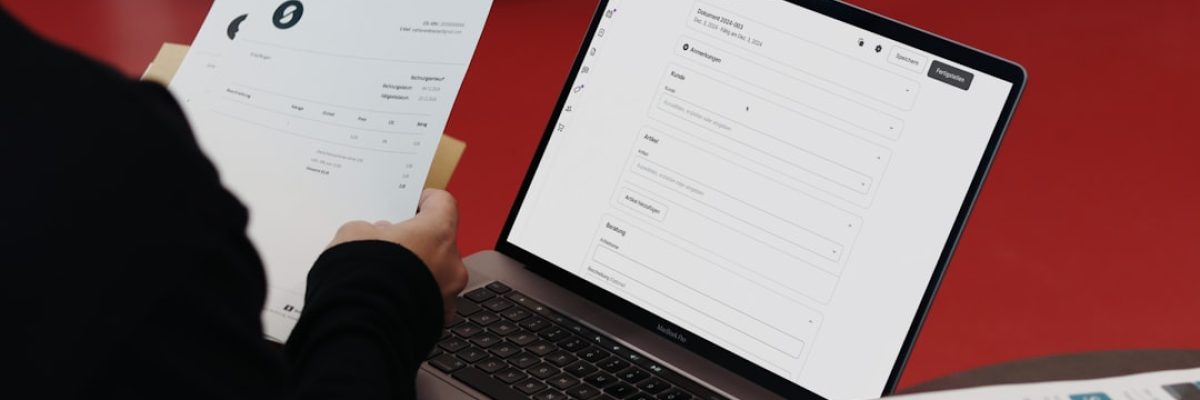
In the rapidly evolving landscape of business technology, the emergence of invoicing and accounting software is not just a trend; it is a fundamental shift in how businesses manage their finances. As companies of all sizes look for ways to streamline operations, reduce costs, and increase efficiency, automated invoicing and accounting solutions are stepping into the spotlight.
One of the most significant trends driving the adoption of these SaaS solutions is the increasing complexity of financial regulations and tax laws. Businesses today face a daunting array of compliance requirements, making accurate and timely financial reporting more critical than ever. Invoicing software can automatically update to reflect changes in tax regulations, ensuring that businesses remain compliant without needing constant manual oversight.
Another emerging trend is the integration of artificial intelligence (AI) and machine learning (ML) in invoicing and accounting solutions. These technologies enhance data accuracy, provide predictive analytics for better financial forecasting, and automate repetitive tasks, freeing up valuable time for finance teams. By using AI-driven tools, businesses can analyze spending patterns, detect anomalies in transactions, and even predict cash flow shortages before they become problematic.
Furthermore, the move towards cloud-based solutions offers unparalleled flexibility. Companies can access their financial data from anywhere, facilitating remote work and real-time collaboration among teams. This shift is particularly advantageous in a world where businesses are increasingly adopting hybrid or fully remote models. Cloud solutions also often come with enhanced security measures, ensuring that sensitive financial information is protected from cyber threats.
For small businesses and freelancers, DIY invoicing solutions provide a cost-effective alternative to hiring accountants or financial advisors. There are various user-friendly platforms available that allow users to create professional invoices, track expenses, and manage their finances without extensive accounting knowledge. These platforms often come equipped with templates, customizable options, and step-by-step guidance, making it easy for anyone to handle their own invoicing needs.
In practical terms, invoicing software can significantly reduce the time spent on administrative tasks. For instance, automated reminders can be set up to notify clients about upcoming payments, while integrated payment solutions allow for seamless transactions. This not only speeds up the payment process but also improves cash flow—critical for any business.
Another application of invoicing and accounting software lies in expense tracking. Many platforms allow users to link their bank accounts and credit cards directly, automatically categorizing transactions and simplifying the reconciliation process. This integration reduces the risk of errors and gives businesses a clearer picture of their financial health in real-time.
As the demand for transparency and accountability grows, many invoicing solutions are incorporating features that promote better financial oversight. Detailed reporting capabilities allow businesses to gain insights into their financial performance, helping them make informed decisions about budgeting, investment, and resource allocation.
In conclusion, the landscape of invoicing and accounting is transforming rapidly due to advancements in technology. The move towards automated, cloud-based solutions is helping businesses save time and money while improving accuracy and compliance. Whether you’re a freelancer, a small business owner, or part of a large enterprise, embracing these innovative tools can lead to more effective financial management and a stronger bottom line. As you consider your options, take the time to explore the myriad of features offered by various platforms and find one that aligns with your business needs and goals.